
 Returned to the wild
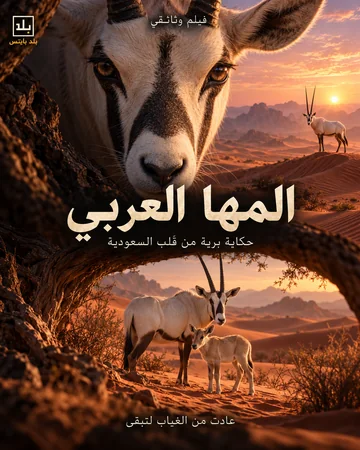
The Arabian Oryx
Extinct in the wild, then brought back. The story of the first animal pulled from the edge of oblivion and returned.
Not clips, but documentaries that bring back to light what is about to fade: a creature barely left, a plant that grows only here, and a land that changed across millions of years.
A series on the Kingdom’s creatures and plants standing at the edge of disappearance — or barely back from it. We document what no one may see after us.
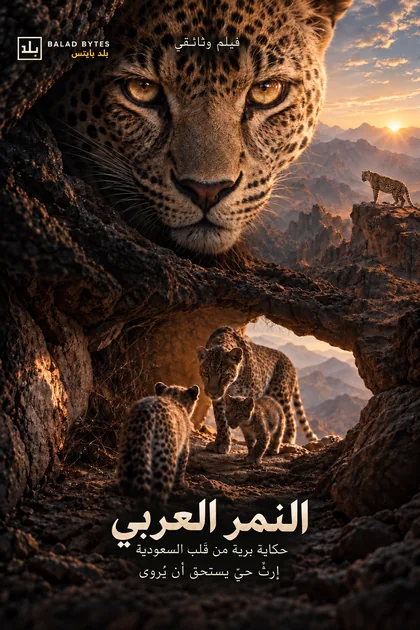 In production
Fewer than a hundred remain in the wild. We rebuild its lost range in the Hijaz and Sarawat mountains, and its planned return.
Film pageReturned to the wildExtinct in the wild, then brought back. The story of the first animal pulled from the edge of oblivion and returned.
 Proposed
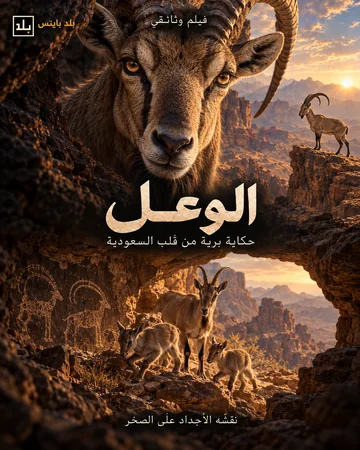
Wild goats scaling the Sarawat cliffs — carved by the ancestors on the rock thousands of years ago, and walking it still.
 Proposed
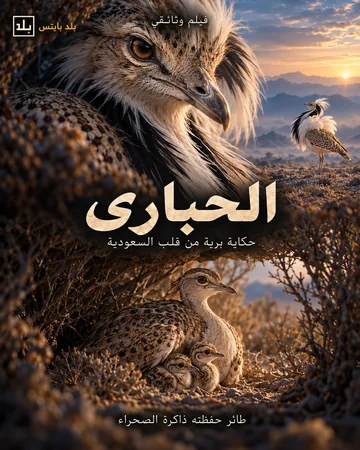
A bird falconers followed for generations, now a symbol of the Kingdom’s breeding-and-release programmes.
 Proposed
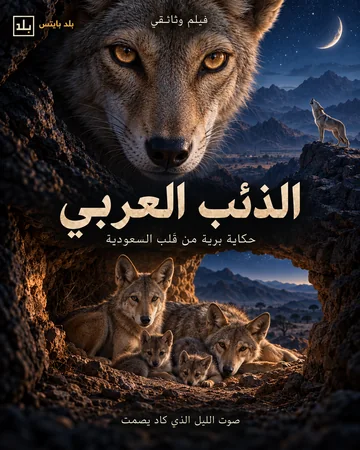
Among the world’s smallest and most desert-adapted wolves, living at the edge of our world and rarely seen.
 Found only in Saudi Arabia
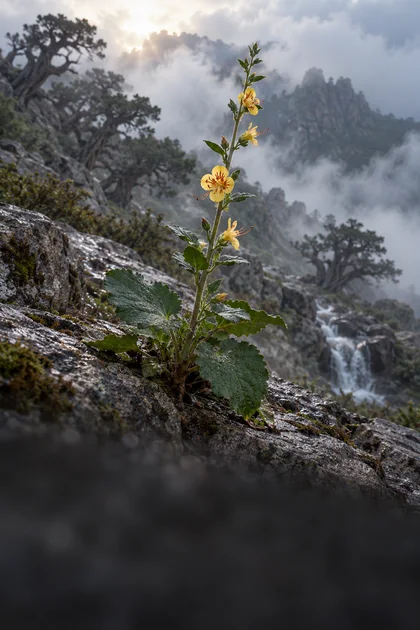
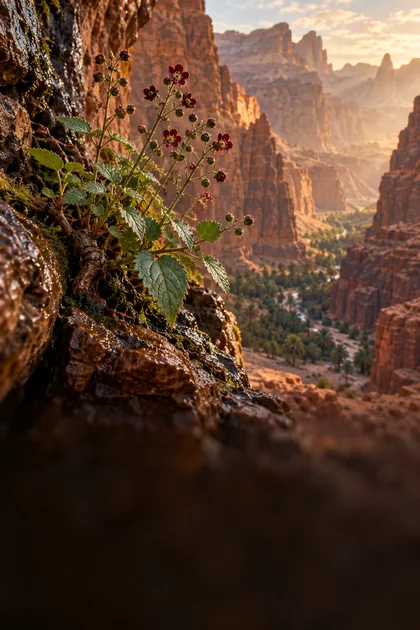
A flower that grows nowhere on Earth but the heights of Al-Soudah in Asir, and barely seen in decades.
 First record in the Kingdom
Recorded for the first time in the Kingdom’s history near Wadi Disah, clinging to sandstone crevices where water seeps.
From the rise of the mountains and ancient seas that drowned Arabia, to vanished lakes, caravan routes and carved cities. Documentaries that walk the timeline itself. Explore them on the time map
 Proposed
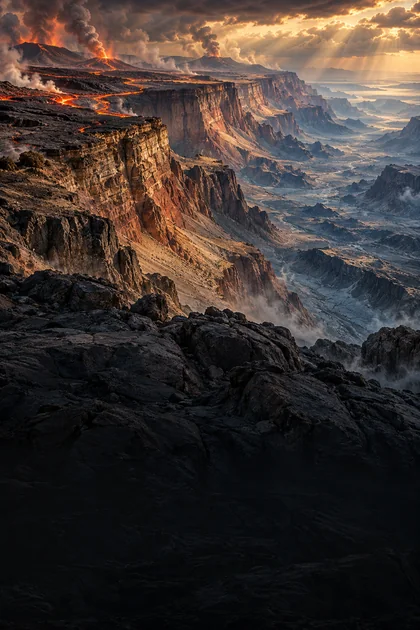
Millions of years ago the Red Sea tore open and the western mountains rose. The story of the land before anyone stood on it.
On the time map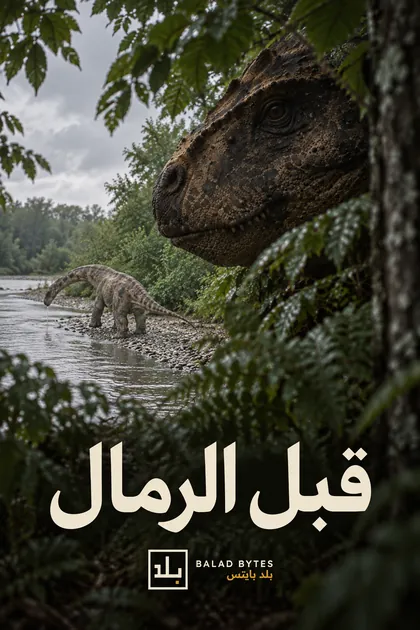 Produced
Dinosaurs that lived on the Tabuk coast some 75 million years ago — among the first classifiable remains in Arabia.
Film page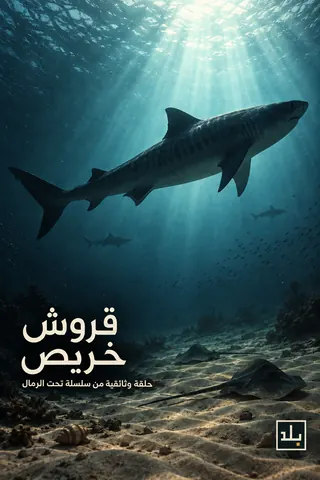 Proposed
When the Tethys sea covered central Arabia, sharks left their teeth in the rock of the Dammam Formation.
On the time map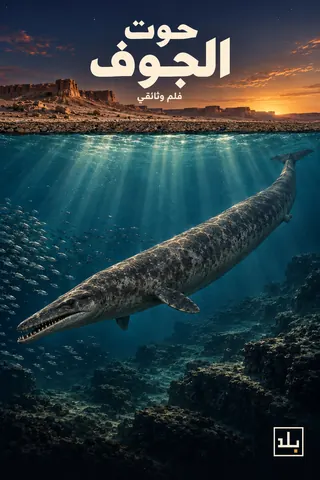 Proposed
A basilosaurus some twenty metres long that swam above what is now the Al-Jouf desert.
On the time map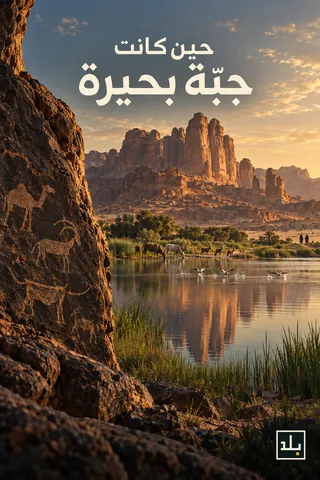 Proposed
Carvings on Jabal Umm Sinman overlooking a vanished lake — witness to an Arabia that was once green.
On the time map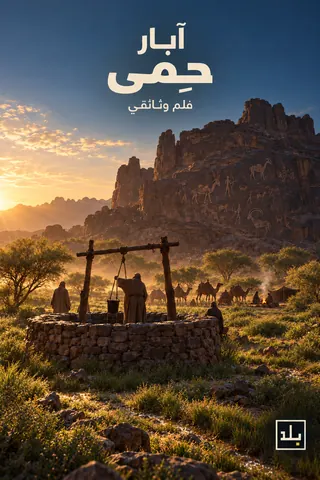 Proposed
On the old caravan route, wells and inscriptions thousands of years old — a World Heritage site.
On the time map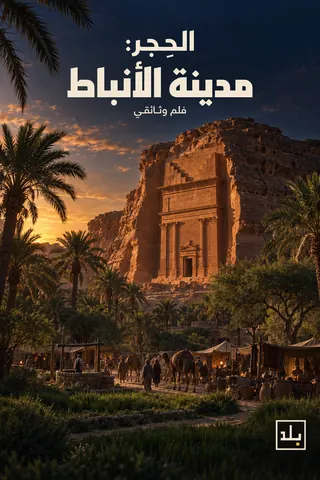 Proposed
The largest Nabataean city south of Petra, and the first Saudi site inscribed as World Heritage in 2008.
On the time map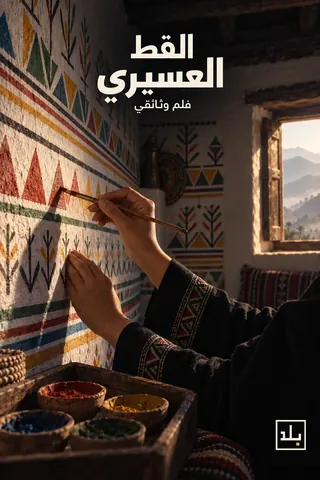 Proposed
Bright geometric murals painted by the women of Asir on their walls — a living art inscribed by UNESCO.
On the time map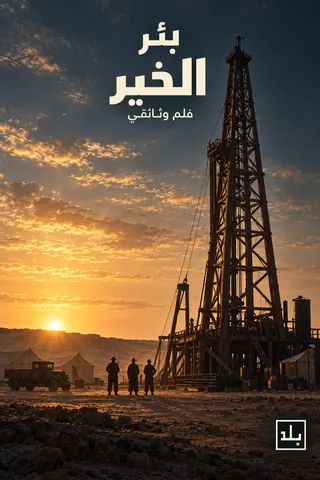 Proposed
The well that changed the face of the Kingdom when oil flowed from it in commercial quantities in 1938.
On the time map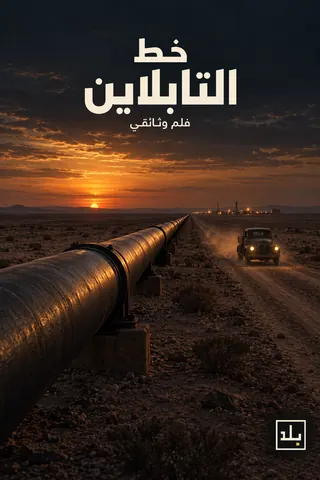 Proposed
A pipeline across the Kingdom’s north, around whose stations towns such as Rafha and Turaif grew.
On the time mapEvery place in the Kingdom has a past worth a film. Tell us about it in two lines.